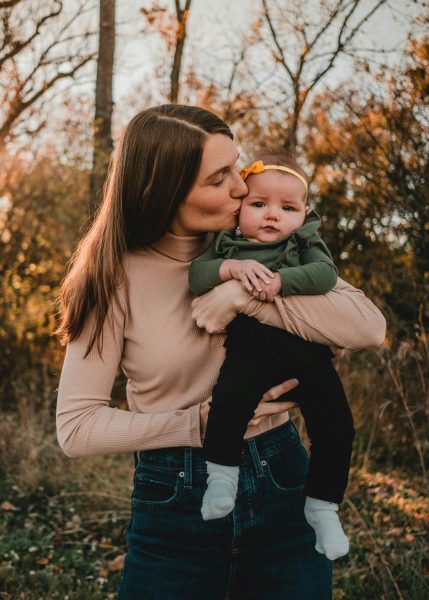
Watching your baby grow is one of parenthood’s greatest joys. From tiny newborn outfits to the first pair of shoes that actually stay on their feet, every growth milestone tells a story. But what happens when those adorable outfits suddenly stop fitting overnight? That’s when you’ve likely entered the world of baby growth spurts—a stage of rapid physical development that can surprise even the most prepared parents.
In this guide, we’ll explore when baby growth spurts happen, what signs to look for, and how to keep your child’s wardrobe in step with their changing size—without breaking the bank.
What Exactly Is a Baby Growth Spurt?
A growth spurt is a short period of accelerated physical growth when your baby’s body increases in both weight and length. These spurts are triggered by natural developmental changes, often driven by hormones such as human growth hormone (HGH), which is produced in greater amounts during sleep.
During a growth spurt, your baby may seem hungrier, sleepier, or even fussier than usual. That’s because their body is working overtime to grow bones, build muscle, and develop their nervous system.
Most babies go through growth spurts several times during the first year of life—but the patterns can vary slightly depending on genetics, nutrition, and environment.
When Do Baby Growth Spurts Happen?
While every baby is unique, most parents notice predictable growth spurts around these key ages:
- 1 to 3 weeks: Early growth spurts are often linked to feeding adaptation and initial weight gain after birth.
- 6 weeks: Babies typically experience a sharp increase in appetite and growth, often coinciding with developmental leaps like improved eye focus and awareness.
- 3 months: Many babies outgrow newborn sizes at this stage, shifting to 3–6 month clothing.
- 6 months: Another big leap—expect longer naps, increased feeding, and a need for upsized onesies or sleep sacks.
- 9 months: Physical activity increases (like crawling or early walking), meaning your baby may need clothing with more flexibility.
- 12 months: Your baby might double or even triple their birth weight by their first birthday, marking one of their biggest milestones in growth and wardrobe change.
These timelines aren’t exact, but they serve as a helpful reference for understanding when to check your baby’s fit and adjust their clothing sizes.
Signs Your Baby Is Hitting a Growth Spurt
Parents often recognize growth spurts less by measuring tape and more by behavior.
Here are some telltale signs your baby’s hitting a new phase:
- Increased feeding: Babies often nurse or bottle-feed more frequently as their bodies demand extra calories.
- Short-term fussiness: Sleep disruptions and mood swings can accompany growth, as energy is prioritized for development.
- Sudden outfit shrinkage: When onesies suddenly snap open or pants rise above the ankles, it’s not your imagination—it’s time to size up.
- Sleep pattern changes: Many babies sleep longer during growth spurts to boost hormone production and tissue repair.
How to Keep Up with Changing Clothing Sizes
Babies can outgrow clothes faster than you can wash them, so staying prepared can save both time and stress.
Here are practical tips for managing your baby’s ever-evolving wardrobe:
- Buy strategically: Instead of purchasing full seasonal wardrobes, stock up on essentials like bodysuits, stretch pants, and sleepwear in the next size up.
- Use adjustable clothing: Look for features like fold-over cuffs, elastic waistbands, and expandable shoulder snaps. These extend the lifespan of baby clothing.
- Keep a growth chart: Regularly track height and weight percentiles at pediatrician visits. This can help you anticipate upcoming size changes.
- Organize by size and season: Store outgrown items in labeled bins for future use or donation. This prevents clutter and keeps your baby’s daily wear accessible.
- Check fit monthly: Babies grow at different rates, so a monthly wardrobe check ensures clothing still fits comfortably and safely.
For shoes, avoid guessing sizes. Refer to an infant shoe measurement chart from a reputable children’s footwear brand to find the most accurate fit—it can make walking practice safer and more comfortable.
Managing Growth Spurts Without Stress
Growth spurts might feel like chaos at times, but they’re truly a healthy sign of development.
To make these phases smoother:
- Feed on demand: Babies often know exactly how much nourishment they need during growth surges.
- Encourage extra rest: Growth hormones spike during naps, so maintain consistent sleep routines.
- Stay stocked on essentials: Diapers, bodysuits, and comfortable outfits are your best friends during unpredictable growth periods.
- Celebrate milestones: Each size change is a reminder of your baby’s progress—document it with monthly photos or keepsake notes.
Before long, those newborn socks will be a sweet memory tucked into a keepsake box. Each time you pack away a smaller size, you’re witnessing your baby’s journey—one growth spurt at a time.
Staying aware of growth timelines helps you plan for clothing, feeding, and comfort, making parenthood just a little easier to navigate. Babies grow quickly, but with thoughtful preparation, you’ll always be a step ahead.